Jim

What you do to pay the bills is not who you are, he said,
tipping his beer towards me and then taking
a long swig while I watched his eyes sparkle.

We ate our cake, chatting about the newly married
couple making spirals around the room, stopping
for a kiss whenever anyone clinked their glass.

Who you are is what you do in your spare time.
He scraped the icing from his plate, smiled
at his wife, and then leaned back in his chair.

So, my dear, who are you?

I didn’t know Jim well. He was the husband of one of my very good friends, Sarah Ryder. He recently passed, and I thought it fitting to share with the world the spectacular advice that he gave to me many years ago at a wedding reception. “What you do to pay the bills is not who you are. Who you are is what you do in your spare time.” Those simple sentences have stuck with me ever since. I repeat them to myself over and over on a regular basis. Jim was an absolute light and he will be missed.
Coffee Creamer

I wasn’t looking, and she added too much creamer.
I drank the coffee anyway,
the sweet liquid coating

my teeth and tongue with a layer
of slick sugar I wouldn’t be able to rid
myself of without a thorough brushing.

Her forearms tensed and flexed
as she balled her nightgown in her fists
and in her lap trying to hide the anxiety,

and I wondered how we had come to this place:
the serving coffee and being anxious
and not meeting each other’s gaze.

We need to talk, she said,
just as I was standing to leave.

I sat back down and waited.

Summer Jewels

She could often be found
admiring the fruits of her labor
in her fully stocked pantry –
mason jars of green beans, corn,
tomato juice, tomato sauce, various soups.
She adjusted their stacked-up lines,
shining jewels in summer colors
waiting to be enjoyed once the cold came in.

Six months after my granny died,
I watched my mother from her kitchen table,
She held the last of the green beans,
having rationed the last ten jars,
knowing that when they were gone
there would be no replacement beans
coming this summer.

Opening the jar, she let tears fall.
Silvery jewels of grief slipping silently
down her cheeks and onto her apron.
She held them up to her nose,
and then quickly dumped them
into the pot on the stove.

The last of the summer jewels
graced our Sunday lunch plates
for a final time.

The Squeeze

We gathered around the worn table,
buttering fresh bread and passing
bowls of buttered peas and mashed potatoes.

I had a horrible dream last night, he said.
I looked up from my peas and watched
him hold back tears, heard his voice
hitch up the octave, and caught a glimpse
of shaking hands before he slipped
them into his lap.

The stoic man of my childhood
has disappeared in the last twelve years,
grandkids change a man apparently.

He was lost, and I couldn’t find him, he said.
He told us how he searched everywhere –
quiet corners, shady stands of trees, the creek.
I yelled for him until my throat was raw.

I looked back at my peas and heard him finally lose
what modicum of control he had left.
But he finally came running down the hill
and threw himself into my arms.

He looked towards the living room,
seeing through the walls,
to where my youngest was silently reading
in a quiet corner with a blanket over his head.

“It was just a dream, Steve,” she said
and reached over to squeeze his hand.

While Weathering a Windstorm

The bradford pears and the redbuds
bloomed early this year.
I don’t know if there is any significance
to this phenomenon,
but it has left me feeling off kilter.

In springs past, when I finally spot
the redbuds blooming on their black branches,
it meant the long dark of winter had passed;
that I could breathe deep the sun
that floods my cells with vitamin d.

But now, with early blooms being ripped
from bending, swaying branches, I feel gutted –
not knowing if it is time to breathe
or if I still need to hide in layers of
wool and thick cotton.

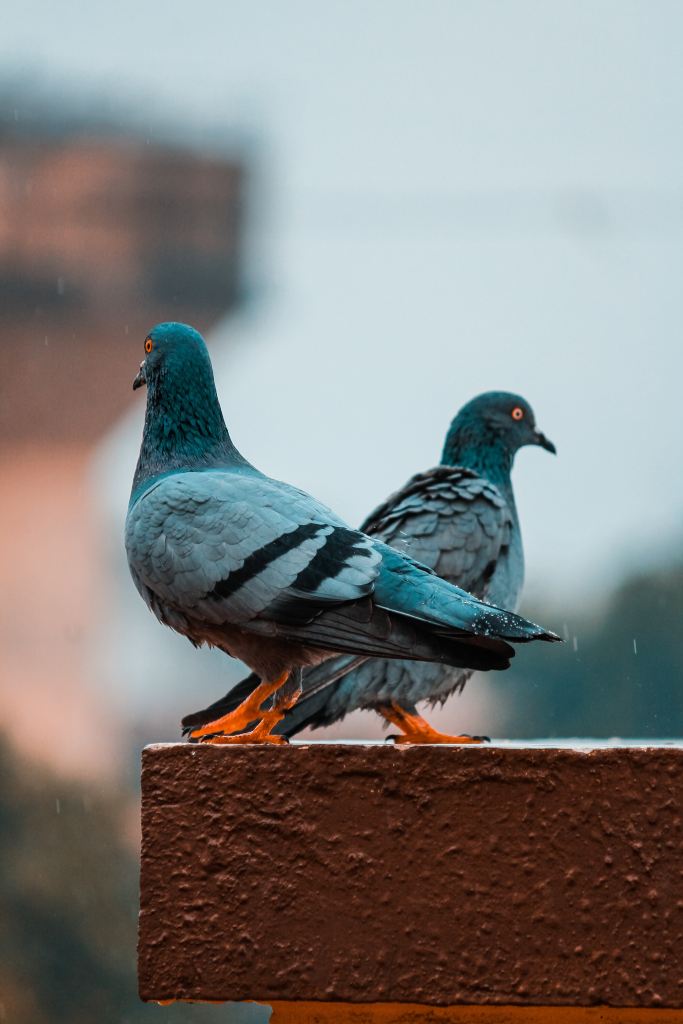
Rain Birds

It was only the occasional flutter
of wings and the soft cooing
that gave them away.

They crowned the clocktower,
looking every bit a part of the architecture,
and I wished I had their job:

fly and coo, find food and flutter in the rain,
exist because they are
with no questions asked.

Surely, if I climbed up to them
they would take flight,
not knowing my intention

is just to sit and rest,
rest in the knowledge that I am
and that fluttering in the rain washes everything clean.

Changing

She weeps
and listens close.
The doctor whispers words
she cannot hear, but understands.
She breathes.

At home,
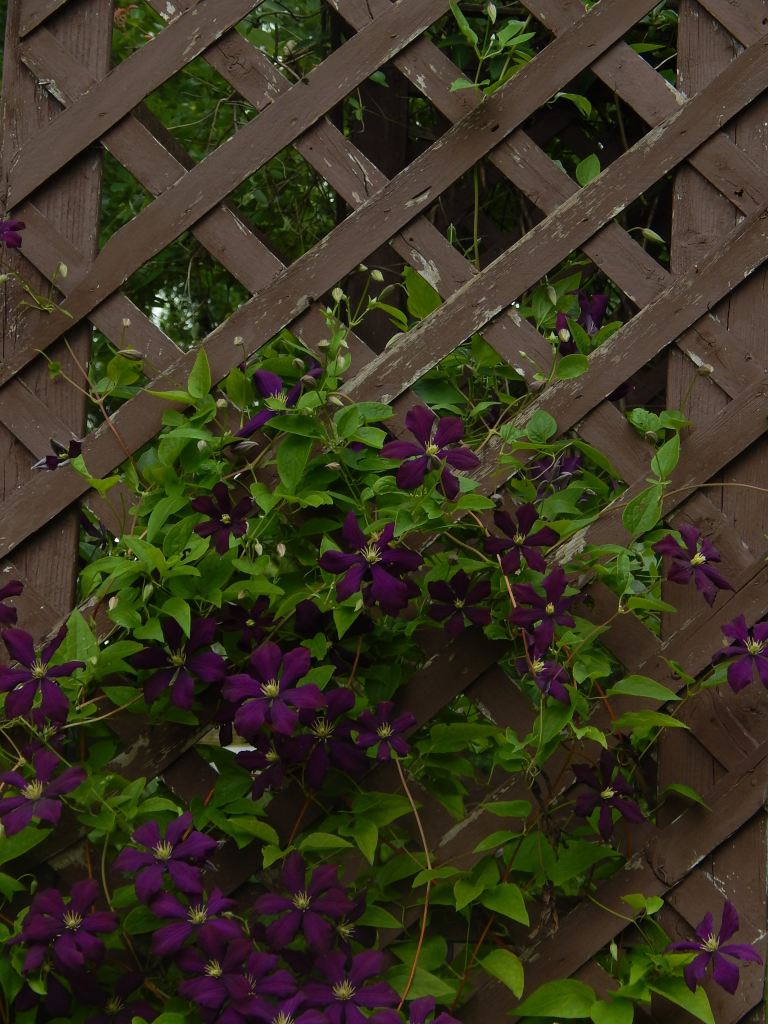
the trailing vines
do more than hide
her childless, shame-filled arms.
They give

desire
to see things grow.
She digs and sings her joy,
and patiently she waits for rain
to change

the shame
and bitter tears
to cheer and sprouting seeds.
Among the blooming, twilit night
she sits

beside
her grief and pain.
She smiles, her gardeners’ thumb
on full display among the blooms.
She kneels

beside
the trailing vines
she digs, she sings her joy
into the blooming, twilit night.
She weeps.

*This poem is a garland cinquain for those that are interested in that kind of thing.

Trash Birds

Don’t call them trash birds,
Granny always said while she walked
towards Walmart and watched the flock
circle and swoop from the neon sign
to the parked cars to the discarded
French fries and spilled milk shakes.
We don’t mock one of God’s creatures
for doing what they were designed to do.

I can’t count the names thrown my way,
can’t count the ways they have all crumpled
and collected against my ribs
and throat like pieces of garbage
flung from a speeding car on I-64:
too much, not enough, slut, crazy, needy,
attention-seeking, a waste of time, bitch,
not good enough, unfit
to name a few.

So, I never call them trash birds.
I call them by their proper name
and watch with delight when they take flight
as one dancing phantom,
dark against the fiery October sky.

In my dreams, each grackle in the plague
settles on my shoulders and picks up a name,
swallows it down, unhurt and nourished –
doing what they were designed to do.

Dear March,

I spent the month of Love
coughing and spitting and praying
the weather would stop changing.

Every time it does (hot to cold, cold to hot),
my body decides to fill my sinuses with snot
and then tries everything in its power
to keep me from getting said snot out.

And I’m left to snort olbas oil up my nose,
prop myself up on cold meds, mouth breathe,
and take a covid test at least twice a week.

There were some bright spots:
my boys took care of me
and put all those ‘independent living’
lessons to good use,
the daffodils bloomed and then promptly shivered
in the rain and the snow,
I ate food that nourished as well as comforted me
and I didn’t worry about a single calorie.

I do worry we are being fooled by these early warm days
and a second winter will wrap
its icy claws around us when you come to call.

Is it global warming?
Does Mother Earth need to lay off the sauce?
Is it just par for the course in these changing days?
Whatever it is,
my sinuses need relief. So much relief.

So, if at all possible, could you get it together
and stick to gradually increasing the temperatures
instead of swinging wildly between winter and late spring?
Pretty please, you beautiful lionlamb?

Sincerely,
Sarah